
West Chester, Pennsylvania, United States, 5th Sep 2026 - Many homeowners assume roof replacement should only happen during the warmer months, but that’s not always true. If you’re researching roofing West Chester PA, you may be wondering whether winter is a good time to install a new roof. The answer depends on several factors, including weather conditions, roofing materials, and the experience of your contractor. Modern roofing techniques and improved installation methods have made winter roofing projects more practical than many people realize.
Understanding how cold temperatures affect roofing materials and installation helps homeowners make informed decisions. Whether you’re dealing with storm damage, an aging roof, or unexpected leaks, waiting until spring isn’t always the safest option. In many cases, replacing your roof during winter can protect your home from further damage while preparing it for the seasons ahead.
Can Roofing Really Be Installed During Winter?
The simple answer is yes. Roofing can absolutely be installed during winter when conditions are suitable. Professional roofing contractors regularly complete successful roof replacements throughout the colder months by carefully monitoring weather forecasts and adjusting installation methods accordingly.
Temperature is one of the biggest considerations during a winter roofing project. While extreme cold may require additional precautions, many roofing materials can still be installed safely when temperatures remain above manufacturer recommendations. Experienced roofers understand how to properly handle shingles, adhesives, and underlayment during cooler weather.
Another important factor is safety. Snow, ice, and freezing rain may temporarily delay work, but clear winter days often provide excellent opportunities for installation. Contractors prioritize worker safety while ensuring materials are installed correctly.
Homeowners should also remember that roof problems rarely wait for warm weather. If your roof is leaking or has sustained storm damage, delaying repairs for several months may allow moisture to enter your attic, insulation, or walls, resulting in significantly higher repair costs.
Working with an experienced roofing contractor ensures your project is planned around weather conditions and completed using industry best practices.
How Cold Weather Affects Roofing Materials
Winter temperatures affect roofing materials differently depending on the product being installed. Asphalt shingles, the most common residential roofing material, become less flexible as temperatures drop. Contractors must handle them carefully to avoid cracking during installation.
Many shingles also rely on self-sealing adhesive strips that activate with sunlight and warmer temperatures. During winter, these seals may take longer to bond naturally. Fortunately, experienced roofers know how to secure shingles properly until warmer weather completes the sealing process.
Metal roofing performs especially well in cold weather because temperature has minimal impact on the installation process. Similarly, synthetic roofing materials often offer excellent flexibility even during cooler temperatures.
Roof decking also deserves attention. Contractors inspect the wood beneath existing shingles to ensure moisture has not weakened the structure. Winter installations provide an opportunity to replace damaged decking before additional water intrusion occurs.
Proper storage is equally important. Roofing materials should remain protected from excessive moisture and freezing conditions before installation. Professional roofing companies follow manufacturer guidelines to maintain product quality throughout the project.
Benefits of Installing a Roof During Winter
Many homeowners are surprised to learn that winter roofing offers several advantages beyond addressing urgent repairs.
One major benefit is contractor availability. Spring and summer are typically the busiest roofing seasons, meaning schedules often fill weeks or months in advance. During winter, homeowners may enjoy more flexible scheduling and faster project completion.
Cooler temperatures can also create more comfortable working conditions for roofing crews compared to the extreme heat of midsummer. This often allows crews to maintain consistent productivity throughout the day.
Another advantage is preventing further damage. Waiting until warmer weather could expose your home to additional leaks, mold growth, insulation damage, or structural deterioration.
Winter installation also prepares your home for spring storms. By replacing worn roofing materials before heavy rain arrives, homeowners gain peace of mind knowing their property has improved protection against severe weather.
Some suppliers and contractors may also offer seasonal promotions during slower months, helping homeowners save money while completing an important home improvement project.
Challenges That Come With Winter Roof Installation
Although winter roofing is entirely possible, it does present unique challenges that experienced contractors know how to manage.
Weather delays are the most common issue. Snowstorms, freezing rain, or high winds may temporarily pause work until conditions become safe again. Flexible scheduling is often necessary during the colder months.
Material handling requires additional care. Roofing shingles become more brittle in freezing temperatures, requiring gentle transport and installation techniques.
Daylight hours are also shorter during winter. Roofing crews typically have fewer working hours available each day, which may slightly extend the project timeline depending on roof size.
Safety remains the highest priority. Ice accumulation on rooftops increases slip hazards, making proper equipment and fall protection essential.
Despite these challenges, experienced contractors successfully complete winter roofing projects every year by carefully planning installations around favorable weather windows while maintaining strict quality standards.
Which Roofing Materials Perform Best in Winter?
Not every roofing material reacts the same way during winter installation. Understanding the differences helps homeowners choose the right option for their property.
Asphalt shingles remain the most popular residential roofing material and can be installed successfully during winter when handled correctly. Contractors often use hand sealing techniques when necessary to ensure proper adhesion.
Metal roofing is one of the best winter-friendly options because installation relies primarily on mechanical fastening rather than temperature-sensitive adhesives. It also performs exceptionally well in snowy climates by allowing snow to slide off more easily.
Synthetic roofing products have also become increasingly popular due to their durability and flexibility across a wide range of temperatures.
Slate and tile roofs require extra caution because freezing conditions can make materials more fragile during handling and installation. These premium roofing systems often benefit from experienced specialty contractors familiar with cold-weather procedures.
Regardless of material selection, following manufacturer installation guidelines remains critical to maintaining warranty coverage and long-term performance.
Signs You Shouldn’t Wait Until Spring
Many homeowners hope temporary repairs will last until warmer weather arrives. Unfortunately, delaying roof replacement isn’t always the safest decision.
Persistent roof leaks are one of the clearest warning signs. Water entering your home can quickly damage insulation, ceilings, drywall, and electrical systems.
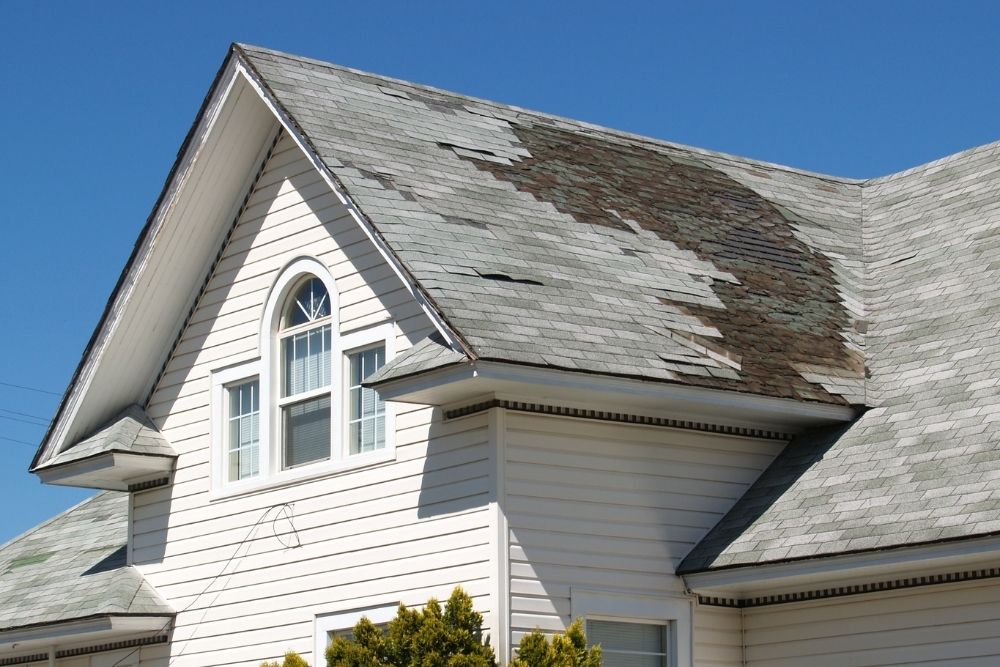
Missing shingles also leave vulnerable areas exposed to moisture and wind. Winter storms can worsen existing damage, allowing additional sections of roofing to fail.
Sagging roof decking may indicate structural deterioration caused by prolonged moisture exposure. Ignoring this problem can lead to expensive repairs extending beyond the roof itself.
Ice dams frequently develop on older roofs with poor insulation or ventilation. As melting snow refreezes along roof edges, water can back up beneath shingles and enter the home.
If your roof has already reached the end of its expected lifespan, replacing it before another severe season often proves more cost-effective than continually paying for temporary repairs.

Choosing the Right Roofing Contractor for Winter Installation
Winter roofing requires experience, planning, and attention to detail. Hiring a qualified contractor significantly improves project success.
Look for companies with extensive experience completing roofing projects throughout every season. Contractors familiar with cold-weather installation understand manufacturer requirements and proper handling techniques.
Licensing, insurance, and warranties remain essential regardless of the season. Always verify credentials before signing a contract.
Ask about scheduling flexibility. Reliable contractors monitor weather forecasts carefully and communicate any necessary adjustments before installation begins.
Quality contractors also perform comprehensive roof inspections before starting work. They identify hidden structural issues, ventilation concerns, and moisture damage that may affect installation.
Winter Roof Maintenance Tips After Installation
Once your new roof has been installed, regular maintenance helps maximize its lifespan throughout the winter season.
Inspect your gutters regularly to remove leaves and debris that may block proper drainage. Clogged gutters contribute to ice dam formation and water overflow.
After heavy snowfalls, monitor snow accumulation, especially on older homes or roofs with complex designs. While most roofs are built to support snow loads, excessive accumulation may require professional removal.
Check your attic periodically for signs of moisture, condensation, or inadequate ventilation. Proper airflow helps reduce ice dams while protecting insulation and roof decking.
Conclusion
Installing a roof during winter is not only possible but often a practical solution for homeowners dealing with aging roofs or unexpected damage. While colder temperatures require additional planning and specialized installation techniques, experienced roofing professionals can complete projects safely and effectively under the right weather conditions. Addressing roofing concerns promptly helps prevent water damage, structural issues, and costly future repairs.
If you’re looking for dependable roofing West Chester PA services, trust Spring Valley Roofing to provide expert guidance and quality workmanship throughout every season. Whether you need roof replacement, repairs, or a professional inspection, their experienced team is ready to help homeowners throughout West Chester. Call Spring Valley Roofing today at (610) 948-5207 to schedule your consultation and keep your home protected year-round.
https://www.spreaker.com/episode/can-roofing-be-installed-in-winter–74644611
https://www.podomatic.com/podcasts/tonyfernandez155podcast/episodes/2026-08-24T07_13_26-07_00
https://stream.redcircle.com/episodes/08b7c563-2290-4e36-807d-0c9c97fad136/stream.mp3

Spring Valley Roofing
2 W Market St, West Chester, PA 19382, United States
+16108275666
https://springvalleyroofing.com/
Media Contact
Organization: Spring Valley Roofing - West Chester
Contact Person: Spring Valley Roofing - West Chester
Website: https://springvalleyroofing.com/
Email: Send Email
Contact Number: +16108275666
Address:2 W Market St, West Chester, PA 19382, United States
Address 2: X95V+MW West Chester, Pennsylvania, USA
City: West Chester
State: Pennsylvania
Country:United States
Release id:48831
The post Can Roofing Be Installed in Winter appeared first on King Newswire. This content is provided by a third-party source.. King Newswire is a press release distribution agency. We do not accept any responsibility or liability for the accuracy, content, images, videos, licences, completeness, legality, or reliability of the information contained in this article. If you have any complaints or copyright concerns related to this article, please contact the company listed in the ‘Media Contact’ section above.
Disclaimer: The views, recommendations, and opinions expressed in this content belong solely to the third-party experts. This site was not involved in the writing and production of this article.
